The Foundational Principle of Taking Knowledge from the People of Sunnah who are Clear and Apparent in Creed, Speech and Action – Shaykh Rabīʿ

This is a great foundational principle for a person who wants to be upright upon the way of the Sahabah (رضي الله عنهم): that he chooses his teachers wisely, taking only from the People of the Sunnah who speak clearly without ambiguous, general speech. Indeed, it is the character of the Prophets and Messengers to be clear and apparent, and it is the way of the Sahabah (رضي الله عنهم) to be clear in their speech regarding our creed (ʿaqīdah), our methodology (manhaj), our character (akhlāq), our dealings with people, and even in the refutation and criticism of individuals.
Many people who remain silent during times of trials (fitnah), and who do not take a proper stance (mawqif), are generally found to be weak in the religion. They are either watering down the Dīn or aiding a group of opposers to the religion, and for this reason, they choose to remain silent. However, we must understand that there is a blameworthy silence, and there is a legislated silence that looks into the weighing of benefits and harms (maṣlaḥah and mafsadah); we must correctly distinguish and balance between both.
Therefore, if you find that the teachers from whom you take your religion lie, fabricate, speak in ambiguous generalities, declare people innovators (tabdīʿ) unjustly, or are oppressive, then take heed.
🎙 Our Shaykh, the ʿAllāmah, Rabīʿ bin Hādī al-Madkhalī—may Allāh have mercy upon him—said:
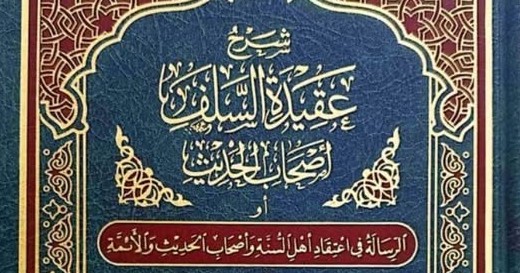
«Some of the Muhaddithīn (Scholars of Hadīth) said: “Indeed, we used to ask about a man until it would be said: ‘Do you want to marry him off [to your female relative]?!!’ He questions him and tests him in his prayer, and he tests him in his condition, and he studies him until he is reassured that he is suitable for the religion to be taken from him; [that] the Qurʾān is taken from him, Tafsīr is taken from him, [and] the Hadīth of the Messenger of Allāh (صلى الله عليه وسلم) is taken from him. All of it is religion.
So do not take your religion except from the trustworthy and pious, not from the deceivers, nor from those who conceal themselves (al-mutasattirīn) and are ambiguous (al-ghāmiḍīn); rather, [take it from] the Companion of the Sunnah, the clear and apparent.
For indeed, the people of innovation (Ahl al-Bidʿah) possess taqiyyah (dissimulation), and the people of innovation possess tasattur (concealment), they possess ambiguity, they possess trickery. Therefore, search for the man from whom you take your religion; by knowing his character, his religion, his firmness upon the Sunnah, his uprightness (ʿadālah), his truthfulness, and his trustworthiness. Then, take the religion from him.“»
📕 [ ʿAwn al-Bārī bi-mā taḍammanahu Sharḥ al-Sunnah lil-Imām al-Barbahārī – (2/889-890) ]
[خذوا عن صَاحِبِ السُّنَّةِ الْوَاضِحِ الْجَلِيِّ]
قَالَ شيْخُنا العلاَّمةُ رَبِيعُ بْنُ هَادِي الْمَدْخَلِيُّ -رحمه اللهُ-:
«قَالَ بَعْضُ الْمُحَدِّثِينَ: إِنْ كُنَّا لَنَسْأَلُ عَنِ الرَّجُلِ حَتَّى يُقَالُ: أَتُرِيدُ أَنْ تُزَوِّجَهُ ؟!!يَسْأَلُهُ وَيَخْتَبِرُهُ فِي صلاتِهِ، وَيَخْتَبِرُهُ فِي حَالِهِ، وَيَدْرُسُهُ حَتَّى يَطْمَئِنَّ إِلَى أَنَّهُ يَصْلُحُ لِأَنْ يُؤْخَذَ مِنْهُ الدِّين يُؤْخَذَ مِنْهُ الْقُرْآن، يُؤْخَذَ مِنْهُ التَّفْسِير، يُؤْخَذَ مِنْهُ حَدِيثُ رَسُولِ اللهِ صَلَّى اللهُ عَلَيْهِ وَسَلَّمَ، كُلُّهُ دِين.
فَلَا تَأْخُذْ دِينَكَ إِلَّا مِنَ الْأُمَنَاءِ الْأَتْقِيَاءِ، لَا مِنَ الْغَشَّاشِينَ، وَلَا مِنَ الْمُتَسَتِّرِينَ الْغَامِضِينَ، وَإِنَّمَا صَاحِبِ السُّنَّةِ الْوَاضِحِ الْجَلِيِّ.
فإنَّ أهلَ البِدَعِ عِندَهُم تَقِيَّةٌ، وأهلُ البِدَعِ عندَهُم تَسَتُّرٌ، عِندَهُم غُمُوضٌ، عِندَهُم حِيَلٌ، فابحَثْ عن الرَّجُل الذِي تأخذُ منه دِينَكَ؛ بأنْ تَعْرِفَ أخلاقَه، ودِينَه، وثَبَاتَهُ على السُّنَّة، وعَدَالتَهُ، وصِدْقَهُ، وأمانتَه، فخُذْ منه الدِّين».
 |[عَوْنُ الْبَارِي بما تضمَّنه شرحُ السُّنَّة للإمامِ البَربهاريِّ – (٢/ ٨٨٩-٨٩٠).