Shaykh Rabīʿ: On the Criterion Between Ahl al-Sunnah and Ahl al-Bidʿah in the Human Errors and Slips of the Scholars and Callers to Allah
Know that the foundation of Ahl al-Sunnah wal-Jamāʿah is built upon knowledge (ʿilm) and justice (ʿadl), whereas the foundation of the people of innovation and desires (Ahl al-Bidʿah wal-Ahwāʾ) is built upon ignorance (jahl) and oppression (ẓulm).
Therefore, when examining the mistakes of the scholars and the callers to Allah, Ahl al-Sunnah look upon them with the eye of justice and fairness. They recognize that deficiency is inherent in human nature and that in conveying the revelation (Waḥy), absolute infallibility (ʿIṣmah) belongs to none save the Prophets (عليهم الصلاة والسلام). For indeed, Allah protects His Messengers (عليهم الصلاة والسلام) and never leaves them upon an error, whereas all others are prone to err.
The following words of the Shaykh Rabīʿ highlight the distinct methodology of Ahl al-Sunnah in dealing with the natural human errors of the scholars and callers to Allah, contrasting it with the malicious approach of the people of desires. As clarified by the major scholars, protecting the honor of those who defend the Sunnah is paramount, and weaponizing minor slips to tear down genuine callers is the well-known path of Ahl al-Bidʿah.
Furthermore, it is obligatory to understand that this principle applies to the error that is actual and confirmed. What, then, is the case if the matter is merely a misrepresentation, or a perceived error born of misunderstanding, where the intended context of the speaker was stripped away? In such a case, the obligation to verify, to exercise leniency, and to establish absolute fairness with the people becomes even greater, for indeed, speaking about the people without justice is from the most severe forms of transgression.
What follows are the words of the Shaykh clarifying this foundation.
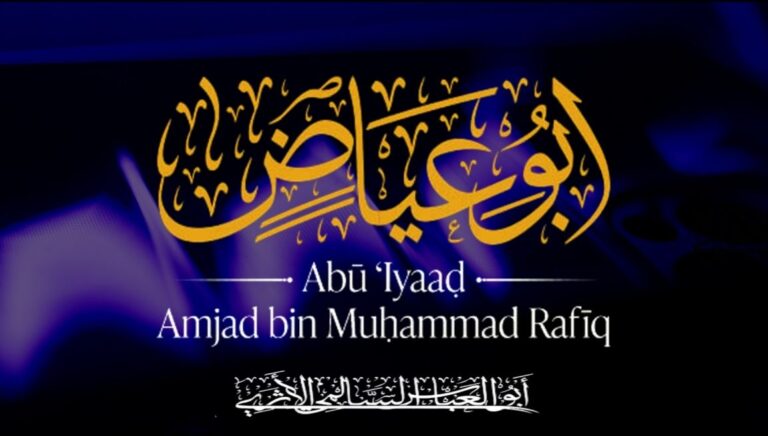
🎙 Our Shaykh, the ʿAllāmah, Rabīʿ bin Hādī al-Madkhalī—may Allāh have mercy upon him—said:
“I have not claimed infallibility (ʿiṣmah) and perfection in anything of my scholarly works, nor in other than them. And no one from the people of knowledge and intellect has claimed this. For indeed, the scholar may fall into numerous errors and oppositions to the Book and the Sunnah, let alone linguistic and spelling mistakes.
And he may search for a hadīth or the biography (tarjamah) of a man in its expected places within the sources, yet not come across it, and thus he offers an excuse. And he may be an Imām in a discipline from the disciplines, yet lapses are found for him in his [own] discipline. So here is Sībawayh, an Imām in the [Arabic] language; Ibn Taymiyyah indeed rectified eighty errors against him. And how many a faqīh (jurist) has his errors? And how many a muḥaddith (scholar of hadīth) and mufassir (exegete) have their numerous errors…?
And all of these errors do not harm their possessors (authors), nor do they lower their status, since nothing lowers the status of a man except the committing of major sins, or plunging into innovations (bidʿah), and enmity towards the People of the Sunnah (Ahl al-Sunnah). This is the methodology (manhaj) of Ahl al-Sunnah wal-Jamāʿah.
As for the people of innovation (Ahl al-Bidʿah), and especially the spiteful ones among them, then indeed they—due to their eagerness to bring down Ahl al-Sunnah—rejoice at the likes of these falls into error and slips (as-saqaṭāt) which no one is safe from, thinking that they have indeed triumphed with what they dream of and wish for, in revenge for their masters who departed from the manhaj of Ahl al-Sunnah in creed (ʿaqīdah) and legislation (sharīʿah), acting deliberately in much of what they departed from.
So when they seize upon any of the slips which do not harm, they place them in the ranks of the major innovations (al-bidaʿ al-kubrā) and depict them in the forms of destructive, ruinous sins…”
Source: Bayān Fasād al-Miʿyār (pp. 24-25). – Taken from Shaykh Nizar’s channel
قال شيخنا العلامة ربيع بن هادي المدخلي -رحمه الله-:
“أنا لم أدِّعِ العصمة والكمال في شيءٍ من أعمالي العلمية ولا غيرها. ولا ادَّعى هذا أحدٌ من أهل العلم والعقل؛ فقد يقع العالِم في الأخطاء والمخالفات الكثيرة للكتاب والسنة، فضلاً عن الأخطاء اللغوية والإملائية.وقد يَبحث عن حديثٍ أو ترجمة رجل في مظانِّه من المصادر فلا يقف عليه فيعتذر، وقد يكون إماماً في فن من الفنون فتوجد له كبوات في فنه، فهذا سيبويه إمامٌ في اللغة قد استدرك عليه ابن تيمية ثمانين خطأً، وكم من فقيهّ له أخطاؤه؟ وكم من محدِّثٍ ومفسِّرٍ لهم أخطاؤهم الكثيرة..
وكل هذه الأخطاء لا تضرُّ أصحابها ولا تحطُّ من مكانتهم إذ لا يحطُّ من مكانة الرجل إلا ارتكاب الكبائر أو اقتحام البدع وعداء أهل السنة، هذا هو منهج أهل السنة والجماعة،
أما أهل البدع ولا سيما الحاقدون منهم فإنهم لحرصهم على إسقاط أهل السنة يفرحون بمثل هذه السقطات التي لا يَسلم منها أحد، ظناً منهم أنهم قد ظفروا بما يحلمون به ويتمنونه انتقاماً لسادتهم الذين خرجوا عن منهج أهل السنة عقيدةً وشريعةً متعمِّدين لكثيرٍ مما خرجوا عنه، فإذا ظفروا بشيءٍ من الهفوات التي لا تضر جعلوها في مصاف البدع الكبرى وصوَّروها في صور الموبقات المهلكات…”.
Explanation: Understanding the Current Reality
As People of the Sunnah who have understood this foundation, it is incumbent upon us to act upon and implement the knowledge we possess and the statements of the scholars with correct comprehension. For indeed, this is the true intellect (ʿaql) of the heart. The people of intellect are those who understand the intent of the scholars and act accordingly; this is what is truly considered sound intelligence.
Ahl al-Sunnah look at a scholar’s human errors, slips, falls, and mistakes with justice and fairness, knowing it is simply part of human nature. This reality serves as a constant reminder that absolutely no one is infallible except the Prophets and Messengers (عليهم الصلاة والسلام). They firmly believe that the status of a genuine scholar or a caller to Allah is not destroyed by honest mistakes, lapses in judgment, or errors in coveying Deen.
Rather, the reputation and standing of a scholar or caller are truly lost if they commit major sins—such as openly lying about Salafī shaykhs and callers, making tabdīʿ (declaring someone an innovator) without proof, giving false witness in a court of law, or committing perjury. Their standing is also forfeited if they plunge into actual innovations (bidʿah) and, when advised and criticized, are not willing to return to the truth.
Examples of this destructive deviation include issuing fatāwā (verdicts) to fight Muslim governments, supporting secessionist groups and political rebellious factions (such as the STC in Southern Yemen or the RSF in Sudan), aiding rebels in any way, deliberately hiding the verdicts of major scholars like Shaykh Rabīʿ, casting doubt about a Muslim ruler implementing the foundation of fighting the Khawārij and failing to clarify the correct ruling regarding it, or opposing the mighty foundational principles (uṣūl) of Ahl al-Sunnah in the chapters of Unity (al-Jamāʿah) and hearing and obeying (al-Samʿ wa al-Ṭāʿah) the Muslim authority, war, and bloodshed.
Furthermore, their status is lost if they harbor enmity toward the Sunnah and its people. An example of this incorrect perception (taṣawwur) is seen from Dr. ʿArafāt in praising individuals upon the Haddādī methodology, such as Hishām al-Baylī, while simultaneously speaking ill of the callers to Allah from Ahl al-Sunnah who have spent decades expending profound efforts in clarifying Salafiyyah. This is in addition to tactically supporting khurūj (rebellion), opposing the regional security policies of the Muslim states, and scheming against senior scholars to obtain favorable verdicts.
In stark contrast, it is from the characteristics of Ahl al-Bidʿah and the people of desires to look at normal, human mistakes with spite and exaggeration, weaponizing them against the truth. By magnifying simple mistakes in Arabic grammar, expressions, or wordings, they attempt to distract from and undermine the actual destructive innovations and major errors they themselves have committed. Their goal is to confuse the masses by pushing the false narrative: “Everyone makes mistakes, so my error and your error are the same, or yours is worse.”
Through this deceitful behavior, they seek to keep people away from the scholars of Ahl al-Sunnah and the callers to Allah—just as the enemies of the Prophets and Messengers spread lies to keep people away from the truth, falsely calling them a magician (sāḥir), a madman (majnūn), or using similar false pretenses.
اللَّهُمَّ أَرِنَا الْحَقَّ حَقًّا وَارْزُقْنَا اتِّبَاعَهُ، وَأَرِنَا الْبَاطِلَ بَاطِلًا وَارْزُقْنَا اجْتِنَابَهُ
“O Allah! Show us the truth as truth and grant us the capability of following it, and show us falsehood as falsehood and grant us the capability of avoiding it.”